We believe that products like routers should be more than pure infrastructure. They are permanently present in everyday life, consume energy, and are produced at scale—yet conceptually, they are rarely reconsidered.
The HomeBox 4 was driven by a simple question:
What happens when such a product is not only optimized for performance, but rethought from the perspective of longevity, resource efficiency, and real user value?
Together with Telefónica, the goal was to treat responsibility not as an add-on, but as a starting point. Not “less bad,” but measurably better—for people, systems, and the environment.
Our approach is not based on a single measure, but on a consistent principle: simplify, integrate, and rethink.
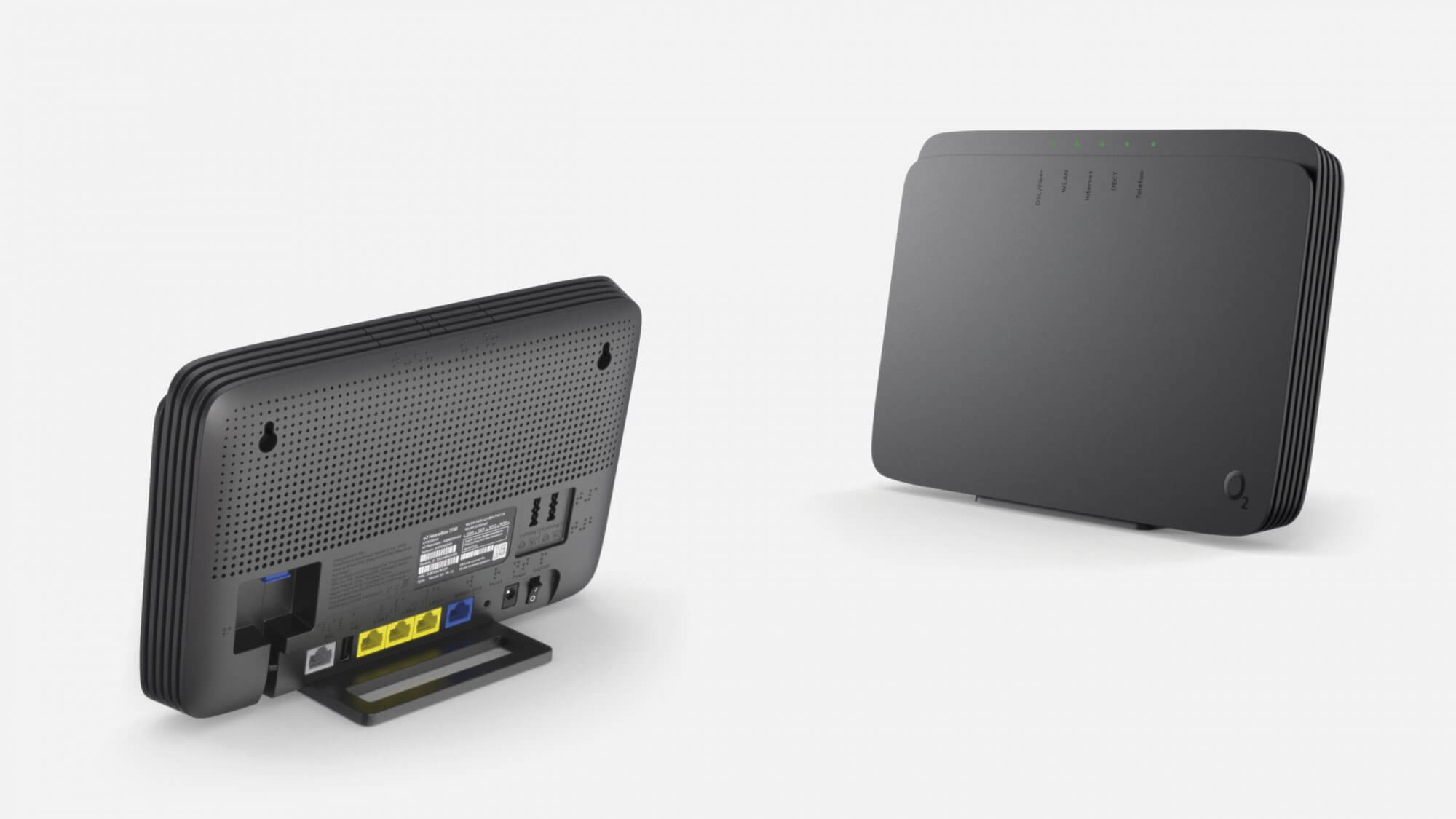
We reduce components by embedding functions directly into the architecture. The housing becomes a functional system—structuring, cooling, guiding, and protecting at the same time. A continuous 360° ventilation uses the chimney effect to reduce the need for additional components.
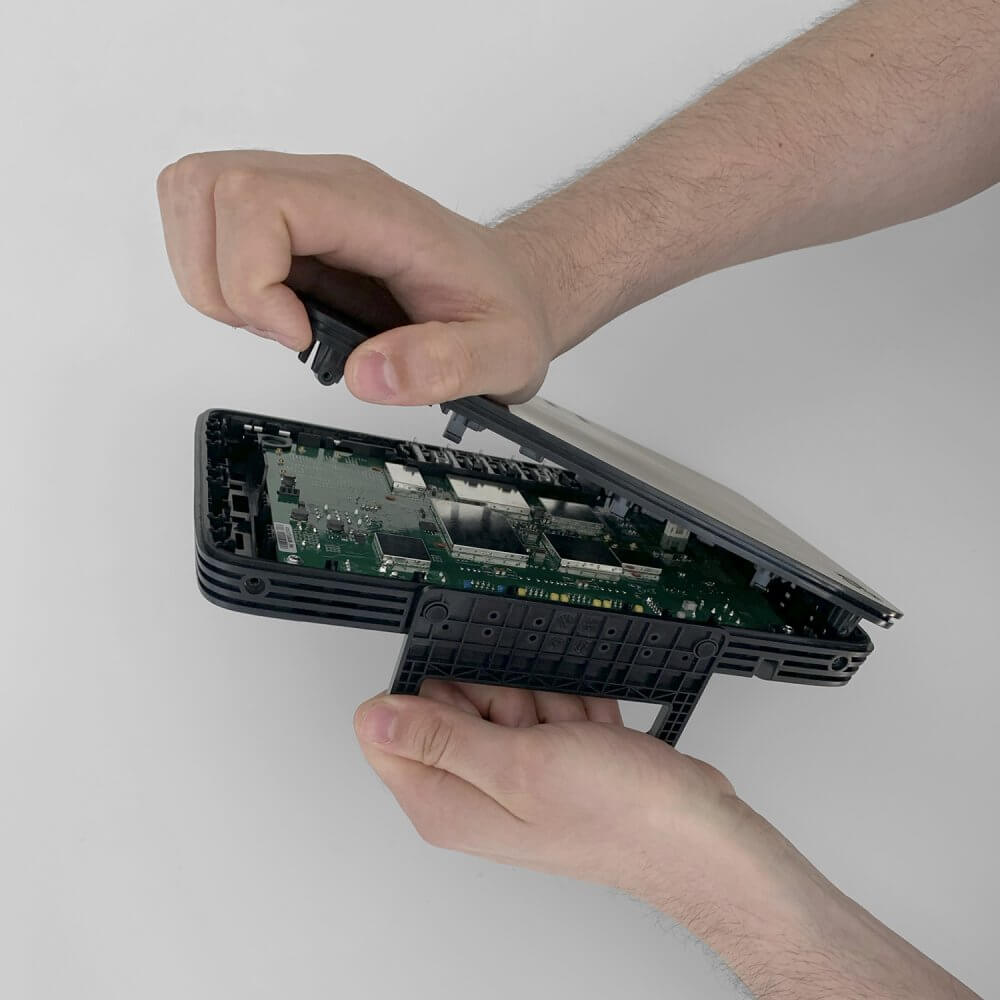
Materials are not only selected, but strategically applied. A monomaterial construction creates clarity—in production, in use, and at the end of the lifecycle. It enables easy disassembly, repair, and refurbishment, significantly extending the product’s lifespan.
In design, this translates into restraint rather than expression. A form that lasts because it does not demand attention. Durable surfaces, reduced graphics, and a clear CMF strategy allow the product to integrate naturally into living environments.
Details emerge from use: intuitively aligned buttons and LEDs, and inclusive accessibility through Braille.
Even beyond the product itself, the system continues—energy usage can be actively managed via the app, allowing performance and consumption to be balanced over time.
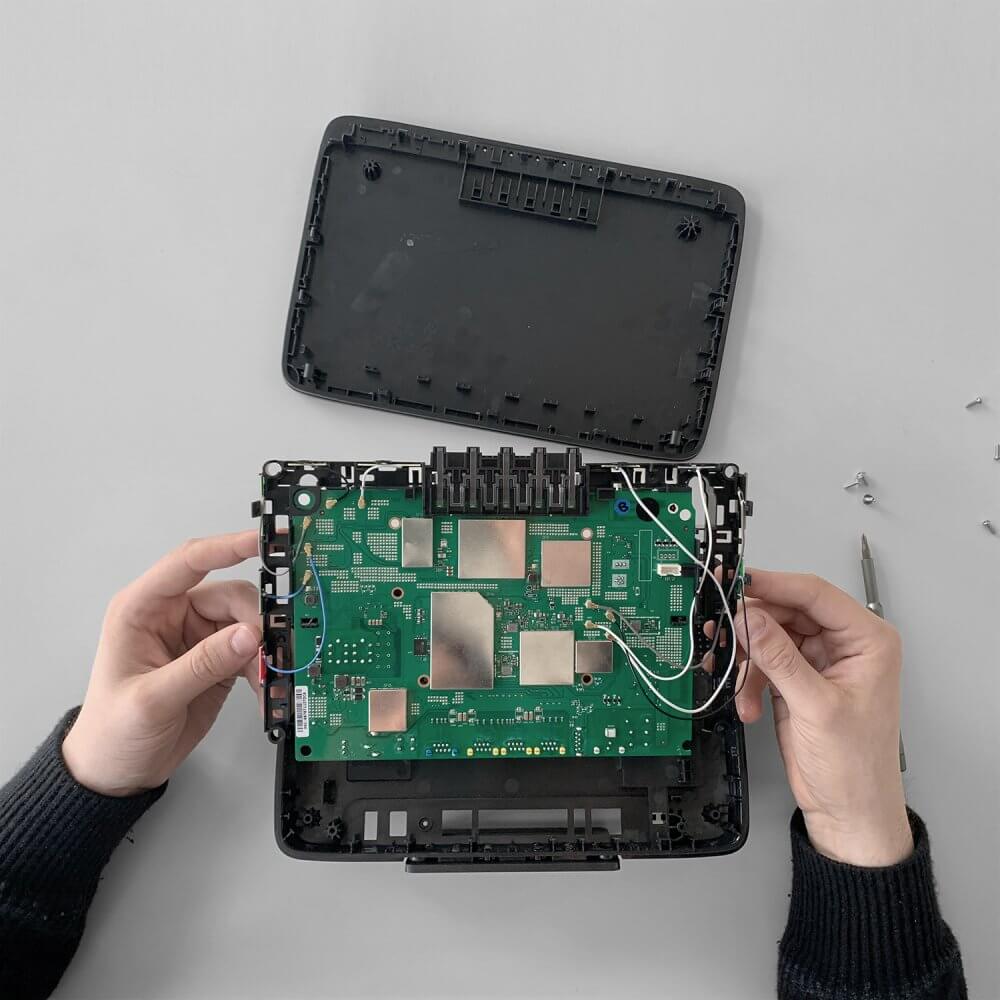
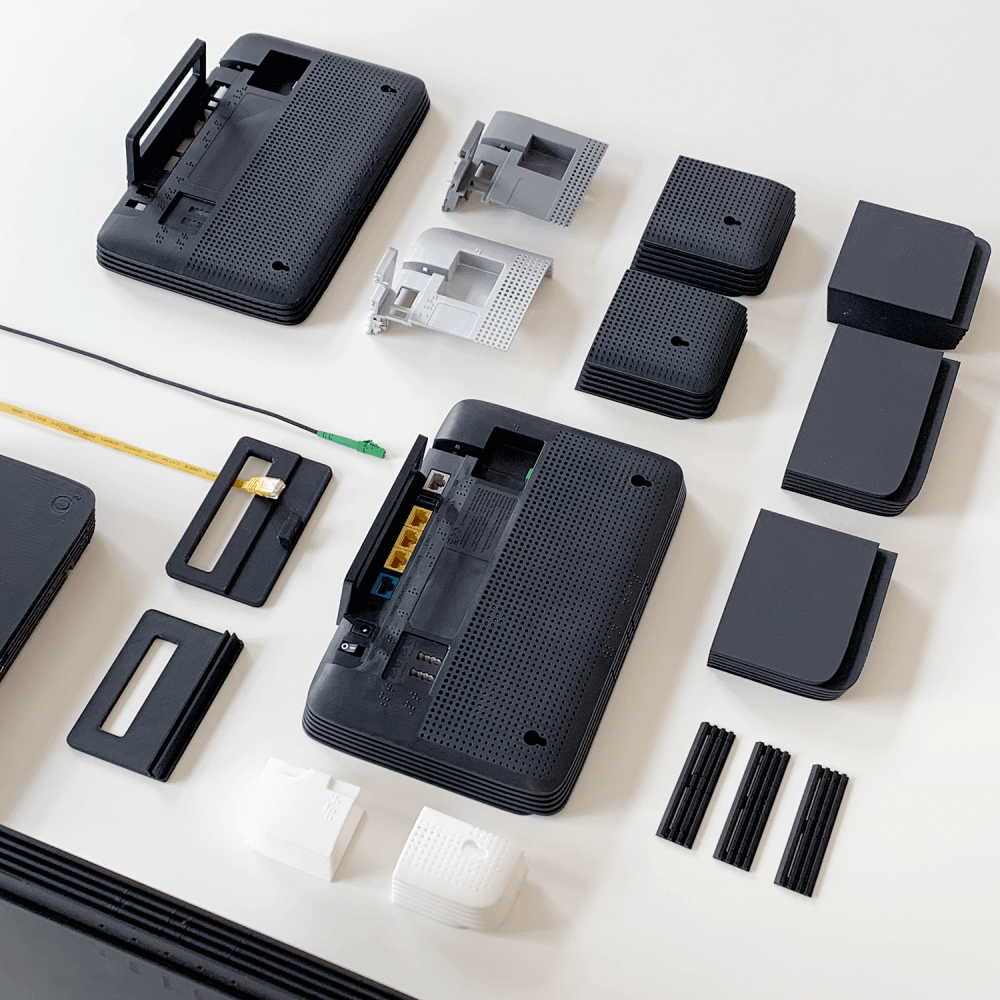
The HomeBox 4 is the result of this thinking: a router that becomes clearer rather than louder—in its construction, its design, and its use of resources.
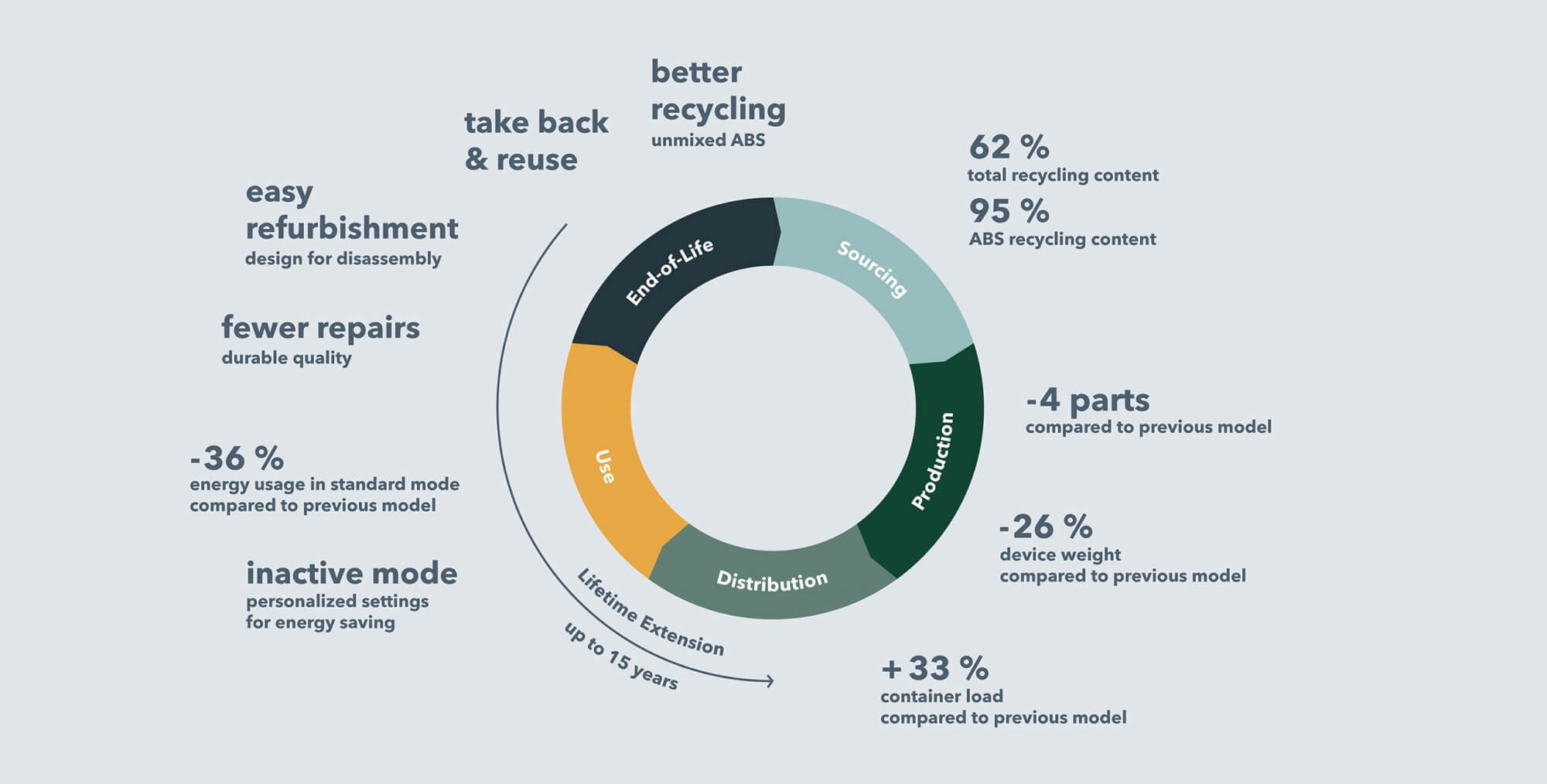
With 62% recycled material content (including packaging) and a nearly fully recycled monomaterial housing, the product significantly reduces material complexity and improves recyclability. Its integrated architecture lowers the number of components, reduces weight (–26%), and optimizes transport efficiency, supported by improved logistics.
At the same time, the product is built to last: easy disassembly, fast repair, and multiple usage cycles are part of the design. In operation, the combination of efficient technology and controllable energy management leads to up to 36% lower CO₂ emissions.
The result is a product that demonstrates how sustainability is not about compromise, but about precision—and how design becomes truly relevant when it improves ecological, economic, and user-related aspects at the same time.
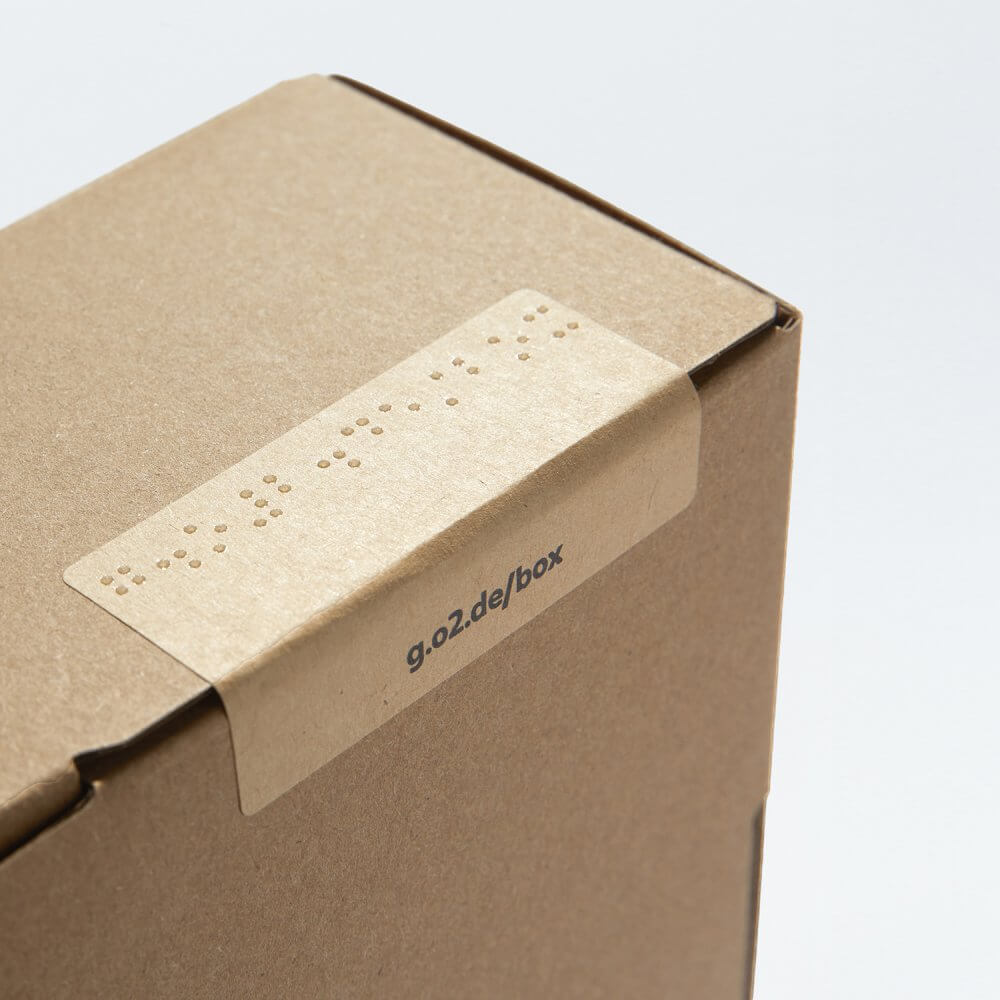
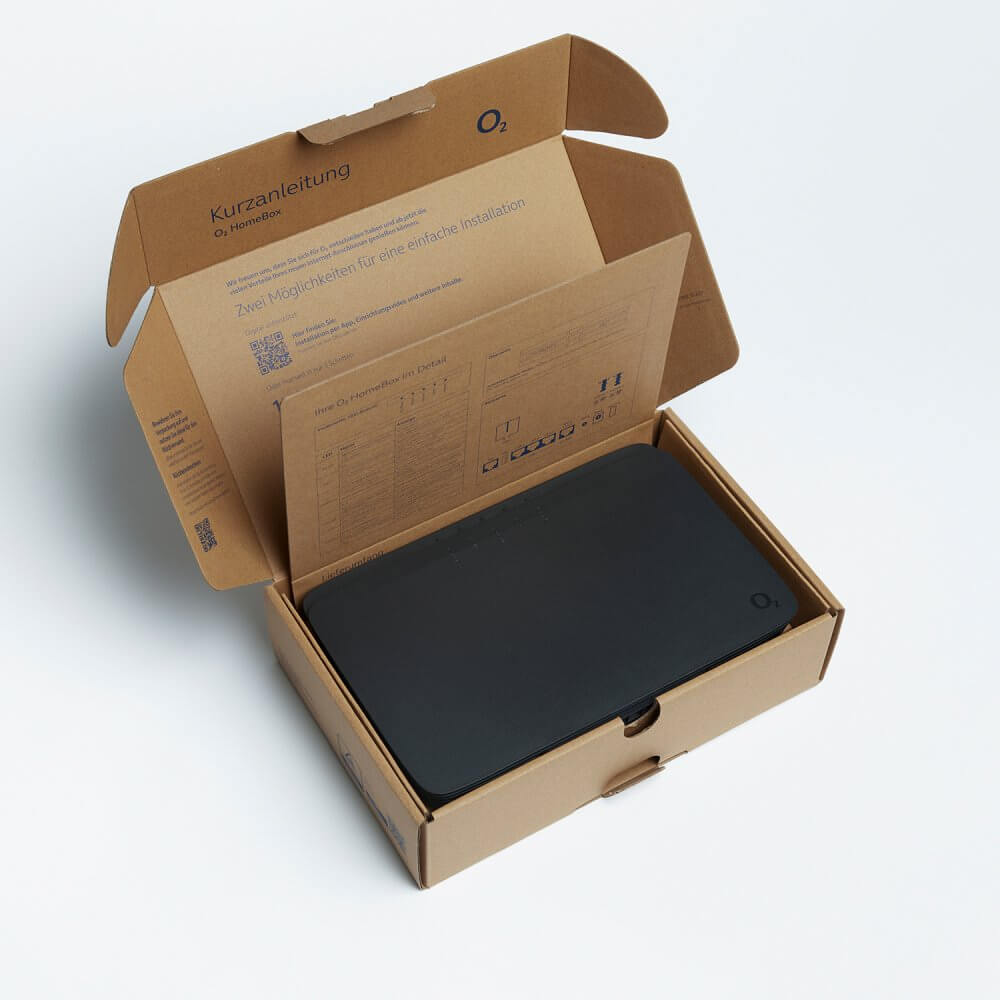
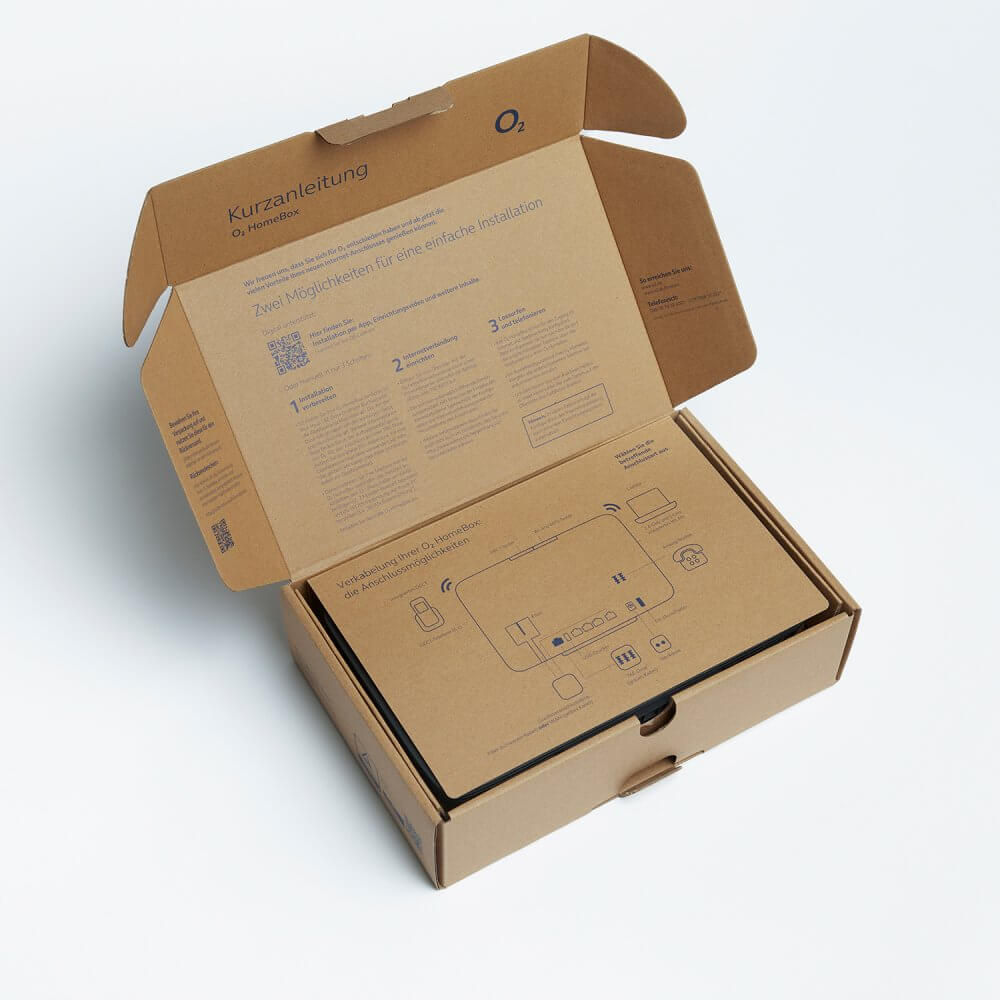
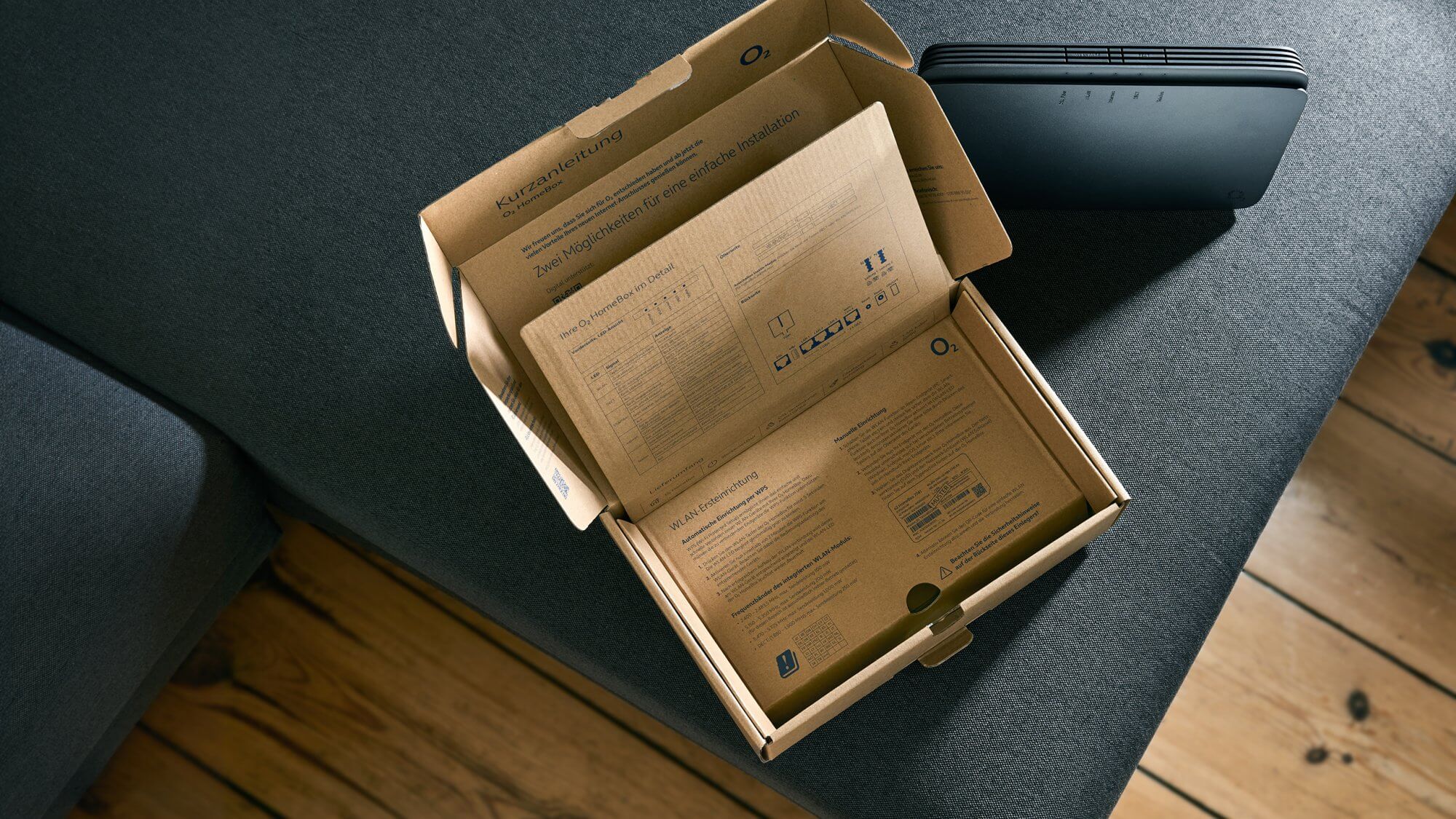
The project was extended beyond the product itself through the development of a corresponding sustainable packaging solution in collaboration with Touch Design. Designed to minimize material use, streamline logistics, and improve user guidance, the packaging follows the same principles of reduction and lifecycle thinking. Both the router and its packaging have received multiple international awards, underlining the strength of the holistic approach.
Acknowledgments
Red Dot „Best of the Best“ – Product
Red Dot „Best of the Best“ – Sustainability
Red Dot Packaging
Red Dot Packaging – Sustainability
Green Product Award – Editors Choice
Green Product Award – Winner Category Packaging